All Books | Austin Family | Crosswicks Journals | Fiction | Genesis Trilogy | Non-Fiction | O’Keefe Family | Poetry | Time Quintet
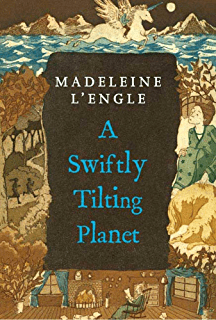
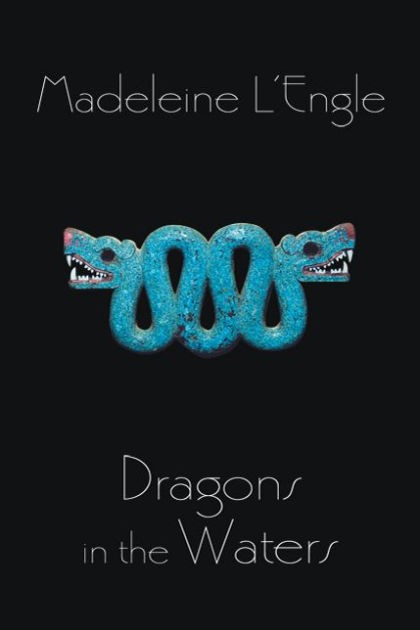
A flash of lightning, quivering ground, and, instead of her grandparents’ farm, Poly sees mist and jagged mountains — and coming toward her, a group of young men carrying spears.
Why has a time gate opened and dropped Poly into a world that existed 3,000 years ago? Will she be able to get back to the present before the time gate closes — and leaves her to face a group of people who believe in human sacrifice?
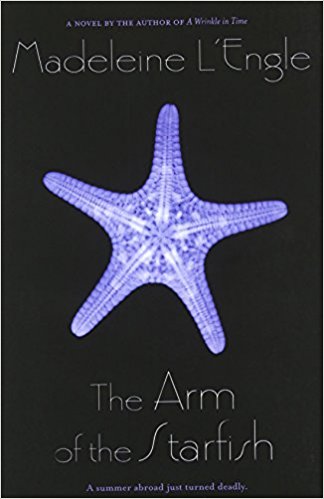
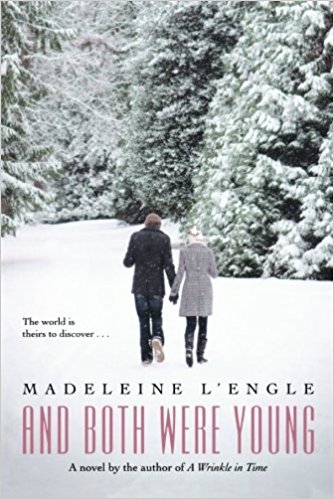
Flip doesn’t think she’ll ever fit in at the Swiss boarding school. Besides being homesick for her father and Connecticut, she isn’t sophisticated like the other girls, and discussions about boys leave her tongue-tied. Her happiest times are spent apart from the others, sketching or wandering in the mountains.
But the day she’s out walking alone and meets a French boy, Paul, things change for Flip. As their relationship grows, so does her self-confidence. Despite her newfound happiness, there are times when Paul seems a stranger to her. And since dating is forbidden except to seniors, their romance must remain a secret. With so many new feelings and obstacles to overcome in her present, can Flip help Paul to confront his troubled past and find a future?
Most of the literature on Genesis and creation emphasizes what was created, and how. But in And It Was Good, Madeleine L’Engle cast long, loving, and perceptive glances not only at the created universe but at its creator as well. At every level she sees the connections between Made and Maker, and in the vast beauty, order, and complexity of our world, she observes many of the characteristics of God, the First Poet.
Just as Mm. L’Engle learns about God from his book, Genesis, we learn about this human author from hers. She too is a creator and poet, and her reflections on early chapters of the first book of the bible radiate the intuitive insights of her keen mind, a luminous view of her own world, and the warmth of her large heart.
This lovely collection of prayers for children features text by Madeleine L’Engle and black-and-white photographs by Maria Rooney. It makes children more aware of God’s creation, helps them recognize God as a friend and confidant, encourages them to talk with god during special times of celebration—and when bad things happen. Bedtime, thanksgiving, grief, and forgiveness are just a few of the topics covered by these simple prayers. Ideal for the whole family!
When Adam Eddington, a gifted marine biology student, makes the acquaintance of blond and beautiful Kali Cutter at Kennedy International Airport on his way to Portugal to spend the summer working for the renowned scientist Dr. O’Keefe, he has no idea that this seemingly chance meeting will set into motion a chain of events he will be unable to stop. Caught between Kali’s seductive wiles and the trusting adoration of Dr. O’Keefe’s daughter, Poly, Adam finds himself enmeshed in a deadly power struggle between two groups of people, only one of which can have right on its side. As the danger escalates, Adam must make a decision that could affect the entire world—which side is he on?
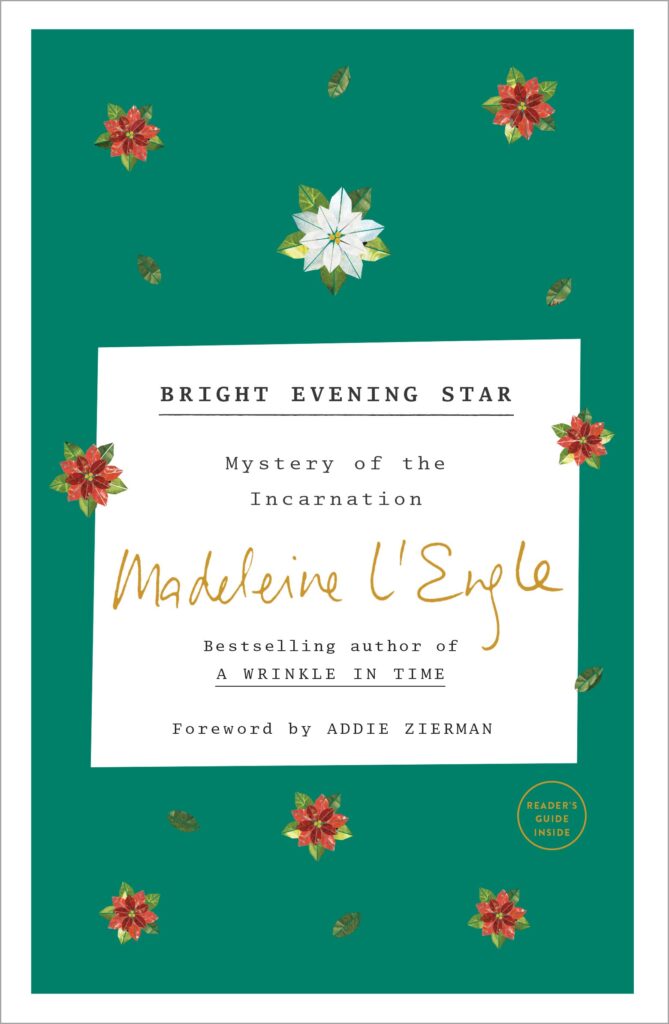
The journey of faith in Jesus is different for everybody. In this memoir, Madeleine L’Engle tells us the story of her road to Christ: her childhood in the U.S. and Europe, the small ways in which she was propelled towards God, her church experiences from Connecticut to Cairo, and her perspectives on Christian beliefs like omniscience and free will. While her stories carry us through surgeries and trips to Ireland, her thoughts are always part of her spiritual journey to Jesus, the incarnate one, whose birth continues to be the focal point of her life.
Life had always been easy for fifteen-year-old Camilla Dickinson. But now her parents, whom she had always loved and trusted, are behaving like strangers to each other and vying for her allegiance. Camilla is torn between her love for them and her disapproval of their actions.
Then she meets Frank, her best friend’s brother, who helps her to feel that she is not alone. Can Camilla learn to accept her parents for what they are and step toward her own independence?
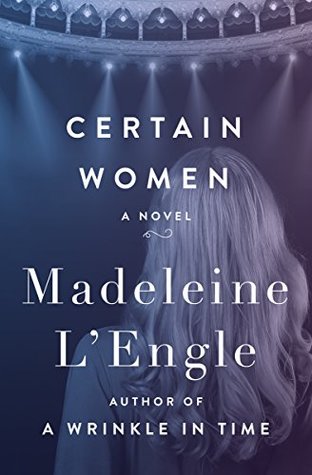
Emma Wheaton has interrupted her successful stage career to attend to her dying father—the legedary screen actor David Wheaton. As the master performer grapples with an obsession over the one great role that has eluded him—that of the biblical King David—Emma confronts both the painful and healing memories of her tumultuous past. The stories of these two Davids and the women in thier lives are simultaneously woven together and unraveled in a narrative rich in theatrical tradition and archetypal wisdom. In Certain Women, Madeleine L’Engle gives us an unforgettable portrait of the private struggles and blessings of family life.
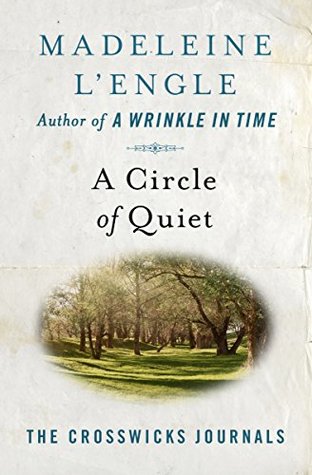
The title of this book comes from the text itself: “Every so often I need out—away from all these people I love most in the world—in order to regain a sense of proportion. My special place is a small brook in a green glade, a circle of quiet from which there is no visible sign of human beings… [there] I move slowly into a kind of peace that is indeed marvelous, ‘annihilating all that’s made to a green thought in a green shade.’”
This book is the attempt of a gifted woman to define and explore the meaning of her life, a life which, like that of many women today, is complex—that of wife, mother of three children, grandmother of two, teacher, frequent public speaker, concerned citizen, practicing Christian, and writer who has published seventeen books.
A stolen heirloom painting…a shipboard murder…Can Simon and the O’Keefe clan unravel the mystery?
Thirteen-year-old Simon Renier has no idea when he boards the M.S. Orion with his cousin Forsyth Phair that the journey will take him not only to Venezuela, but into his past as well. His original plan—to return a family heirloom, a portrait of Simon Bolivar, to its rightful place—is sidetracked when cousin Forsyth is found murdered. Then, when the portrait is stolen, all passengers and crew become suspect.
Simon’s newfound friends, Poly and Charles O’Keefe, and their scientist father help Simon to confront the danger that threaten him. But Simon alone must face up to his fears. What has happened to the treasured portrait? And who among them is responsible for the theft—and the murder?
Like a wise and trusted friend, this collection of daily readings sparkles with spiritual insight and speaks with one-to-one immediacy.
For half a century Madeleine L’Engle has crafted an uplifting dance in words, touching lives and earning a devoted readership with her award-winning fiction, her candid reflections on her personal and family life in rural Connecticut and New York City, and her graceful meditations on faith.
Now, ranging freely throughout L’Engle’s remarkable life work, Carol F. Chase selects passages for everyone who is seeking warm, sensitive, and intelligent daily inspiration.
At turns intimate, provocative, and philosophical, each of these 366 carefully chosen readings shares the heightened awareness of an artist as adept at exploring the nature of life, art, and beauty in the context of God and the cosmos as she is at imagining a time-travel adventure or addressing the task of combining marriage, family, and work. With enduring power and resonance, these rich selections speak to the simple joys and sorrows of daily life and the deepest questions of the human heart and spirit. L’Engle’s faith in a God of wonder and love is apparent throughout, offering us wise, compassionate, and engaging insight into our own lives and providing more than just a glimpse of the accomplished artistry of one of the most spiritually alive and articulate storytellers of this century.
Possible things are easy to believe. The Glorious Impossibles are those things that bring joy to our hearts, hope to our lives, songs to our lips.
The birth of Jesus was a Glorious Impossible. Like love, it cannot be explained, it can only be rejoiced in. And that is what master storyteller Madeleine L’Engle does in this compellingly written narrative, inspired by Giotto’s glorious frescoes from the Scrovegni Chapel in Padua. With a simple clarity that illuminates the life of Christ, Madeleine L’Engle gives eloquent voice to the miracle of God’s love.
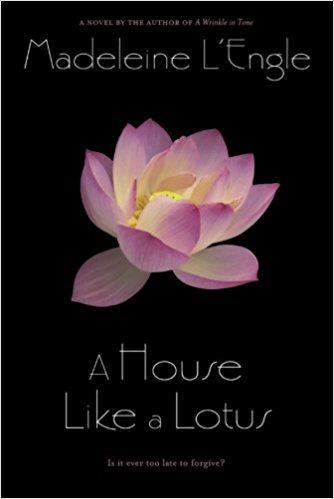
When sixteen-year-old Poly O’Keefe journeys to Athens, she feels confused and betrayed.
The past eight months at home were different from any other time in her life. She met the brilliant, wealthy Maximiliana Horne, who gave her encouragement and made her feel self-confident. Poly idolized Max, until she learned a starting truth that left her wounded and angry.
Now on a trip to Greece arranged by Max, Poly finds romance, danger, and unique friendships. But can she find a way to forgive Max and remember her as more than a painful memory?
Blessed are they which are persecuted for righteousness’ sake: for theirs is the kingdom of Heaven.
“We aren’t persecuted very much nowadays, we Christians, at least not overtly. But in point of fact there is a good bit of sub-rosa persecution, ridiculing if not reviling… Those who look down condescendingly on us call this promise pie-in-the-sky and hope to demolish it by ridicule. The blessedness of being persecuted does indeed promise us heaven and we’re not, and we’re not very good about heaven. The problem with all that is promised the Christian, and it’s spelled out very clearly in the Beatitudes, is that it’s too good to be believed.”
But Madeleine L’Engle does believe, and shares her belief in a most personal, compelling way. The struggle to be human in the late years of the twentieth century, and with that humanity to find out what she believes about God and mankind, is offered to the reader with rare candor. To be a woman, a wife and mother, to have a career, involves conflict of all kinds: “But I am not at all convinced that life without conflict is desirable. There’s not much conflict in the grave, but while we’re alive the only creative choice is the choice of conflict.” The Irrational Season is a gifted woman’s journey through the seasons of the year—and the heart—to the fullness of Christian life.
This is the story of Jonahthe Prophet who was, as we have all heard, swallowed by a whale. How this came to be, what it was like in the whales belly, and what befell jonah after he was safely coughed up make a comic yet moving tale.
Ms. L’Engle has peopled the story of Jonah’s adventures with a lively cast of busybodies, chatterers, and givers-of-unwanted-advice, and Leonard Everett Fisher has brought them alive to our eyes in clear black and white drawings.
Turn to the first page of this book and start to read: “Once upon a time when the earth was younger and time was slower and it took three days to cross from one end to the other of Nineveh, that great city…” and you will soon be lost in the wonderful world of Jonah.
During the summer of 1946, twenty-year-old Elizabeth is doing what she has dreamed of since she was a little girl: working in the theatre. Elizabeth is passionate about her work and determined to learn all she can at the summer theatre company on the sea where she is an apprentice actress. She’s never felt so alive. And soon she finds another passion: Kurt Canitz, the dashing young director of the company, and the first man Elizabeth’s ever kissed who has really meant something to her. Then Elizabeth’s perfect summer is profoundly shaken when Kurt turns out not to be the kind of man she thought he was.
Moving and romantic, this coming-of-age story was written during the 1940s. As revealed in an introduction by the author’s granddaughter Léna Roy, the protagonist Elizabeth is close to an autobiographical portrait of L’Engle herself as a young woman—vibrant, vulnerable, and yearning for love and all that life has to offer.
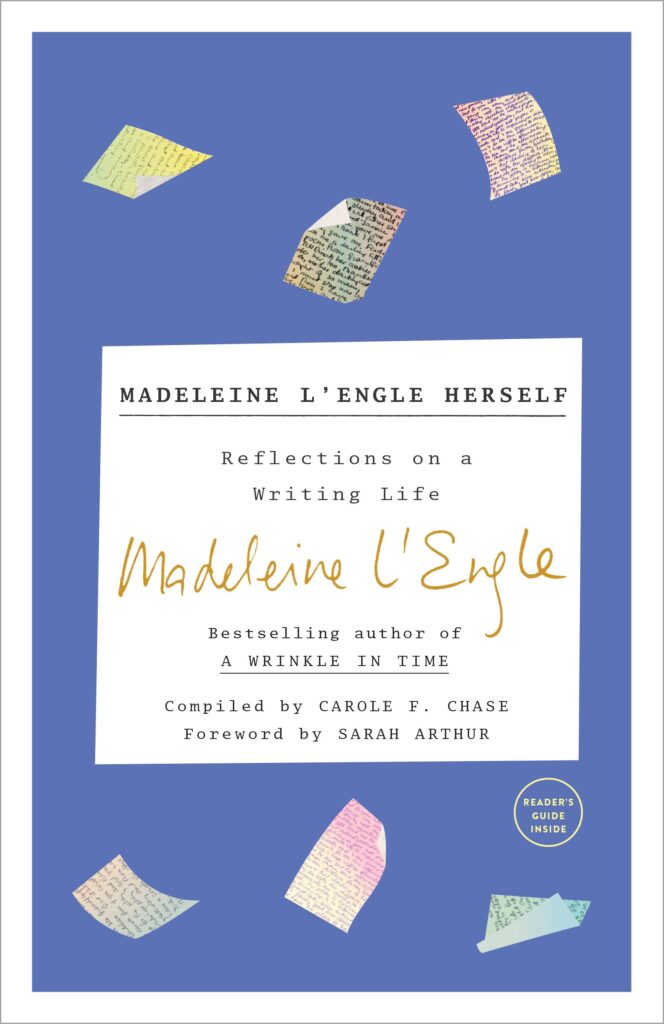
“I have never served a work as I would like to, but I do try, with each book, to serve to the best of my ability, and this attempt at serving is the greatest privilege and the greatest joy that I know.“
Madeleine L’Engle has been “serving the work” for decades, bringing words of insight and delight to thousands of readers of all ages. In this volume you will find hundreds of this author’s most illuminating statements about writing, creativity, and the writing life, including material from L’Engles workshops and speeches that has never been published before. Compiled by Carole Chase.
Enter here into a writer’s thoughts and passion—into a life that leads us to a greater understanding of the faith, the struggle, and the joy of the creative journey.
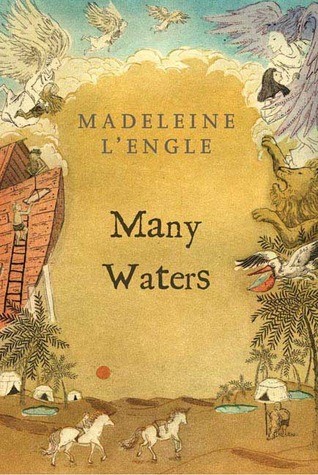
A touch of computer keys, a blast of heat, and suddenly the Murry twins, Sandy and Dennys, are gasping in a shimmering desert land. If only the brothers had normal parents, not a scientist mother and a father who experiments with space and time travel. If only the Murry twins had noticed the note on the door of their mother’s lab: Experiment In Progress. Please Keep Out.
But it’s too late for regrets. There’s a strange-and very small-person approaching, with a miniature mammoth in tow…
At last it’s Sandy and Dennys’s turn for an adventure-an adventure that turns serious when they discover that “many waters” are coming to flood the desert. The twins must find a way back home soon, or they will drown. But how will they get back to their own time? Can they?
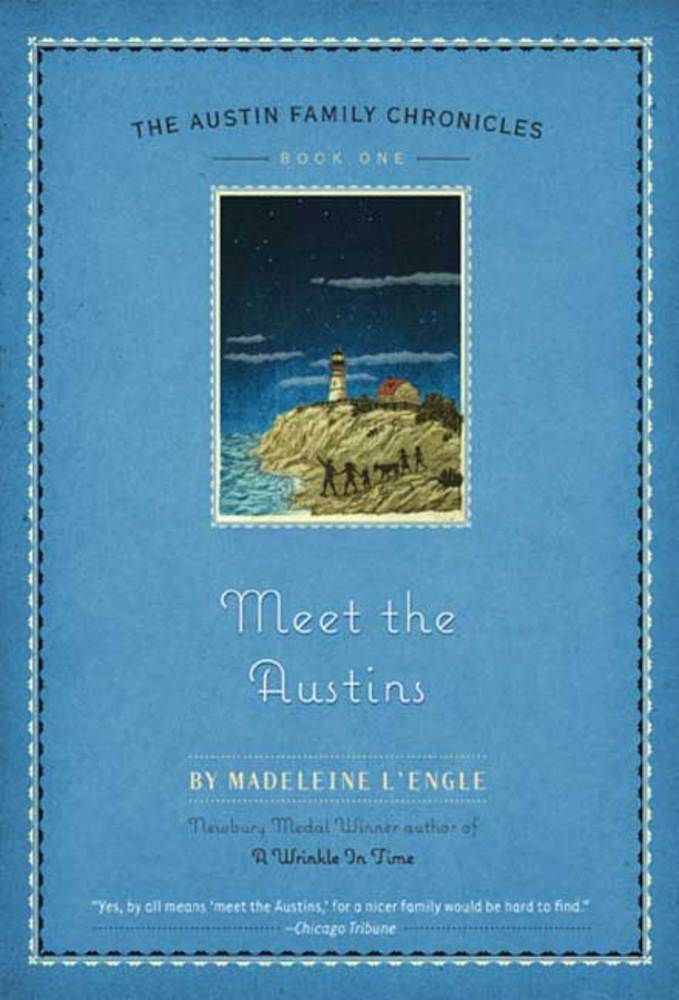
The moment Maggy Hamilton steps into the happy lives of the Austin family, she disrupts their harmonious world, bringing with her all the sullenness and insolence of her own misery.
Vicky Austin knows she should sympathize with Maggy for being an orphan, but she can’t help but resent her for making life so difficult. It looks like Maggy may be a member of the family for a long time, possibly forever. Vicky remembers the happy times and finally accepts that things will never be the same, but she wonders what’s to come.
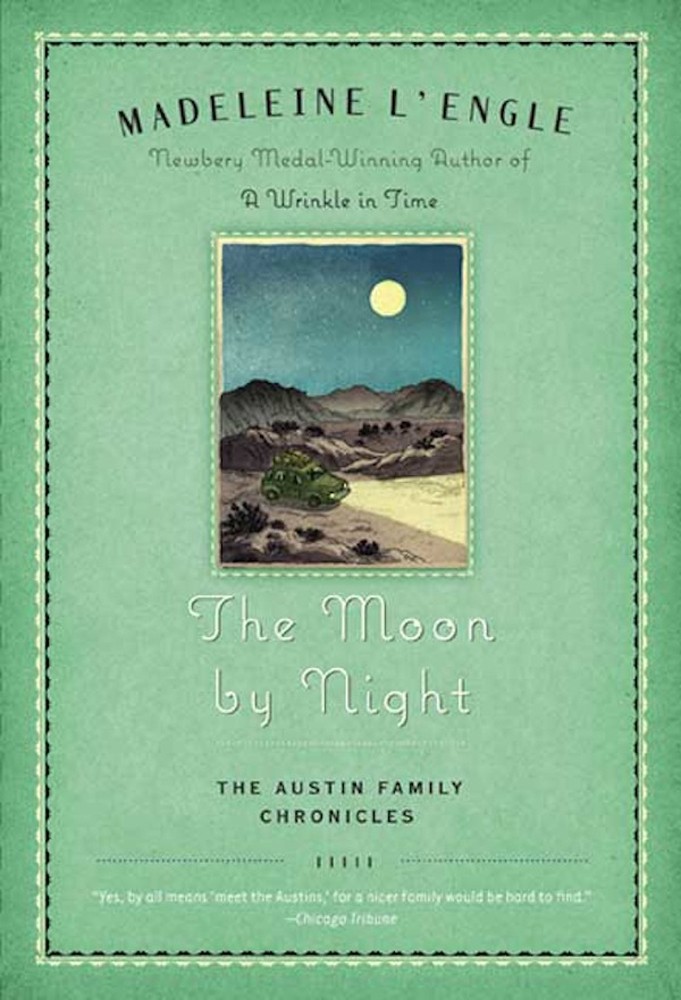
Vicky Austin is filled with uncertainties about everything. Her parents call it Vicky’s “difficult year.” But fourteen-year-old Vicky is not so consumed with her problems that she can’t enjoy the exciting adventures of her family’s summer cross-country camping trip.
In the course of their travels Vicky meets Zachary, an intriguing but troubled boy who latches on to Vicky. And still another boy, Andy, altogether different from Zachary, soon becomes his rival.
Far from the comfort and security that the family has always known, and in spite of the trials they encounter on the road, the Austins enjoy each other and the sights from the Atlantic to the Pacific and back again. And for the first time Vicky feels the mixed emotions of friendship and love.
Madeleine L’Engle’s writing has always translated the invisible and intricate qualities of love into the patterns and rhythms of visible life. Now, with compelling language and open-hearted vulnerability, The Ordering of Love brings together the exhaustive collection of L’Engle’s poetry for the first time.
This Volume collects nearly 200 of L’Engle’s original poems, including eighteen that have never before been published. Reflecting on themes of love, loss, faith, and beauty, The Ordering of Love gives vivid and compelling insight into the language of the heart.
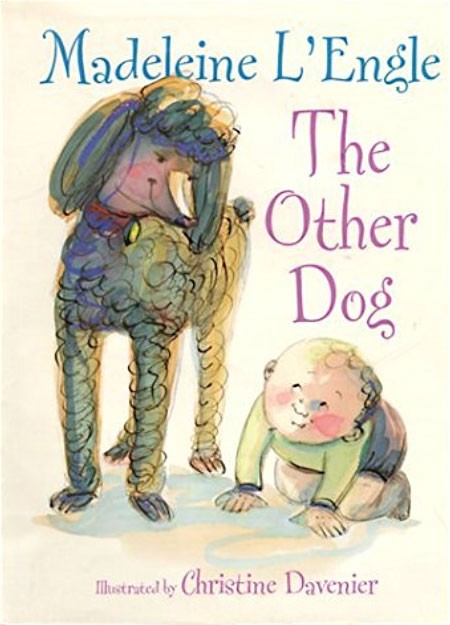
Touché L’Engle Franklin is confused: Her mistress goes away for several days – and then returns with another dog. But this dog doeasn’t have a tail. She doesn’t have much hair. And she never has to go outside when it’s raining. What on earth could the family want with that inferior breed known as Baby?
Based on the true tale of her own poodle’s experience coping with a new baby in the house, Newbery-award winning author Madeleine L’Engle gives this familiar domestic drama an utterly charming new twist. Tongue-in-cheek wit, endearing illustrations, and a revealing author’s note make this a publishing event to celebrate.
Check out the back to see Madeleine’s own illustrations from her original manuscript!
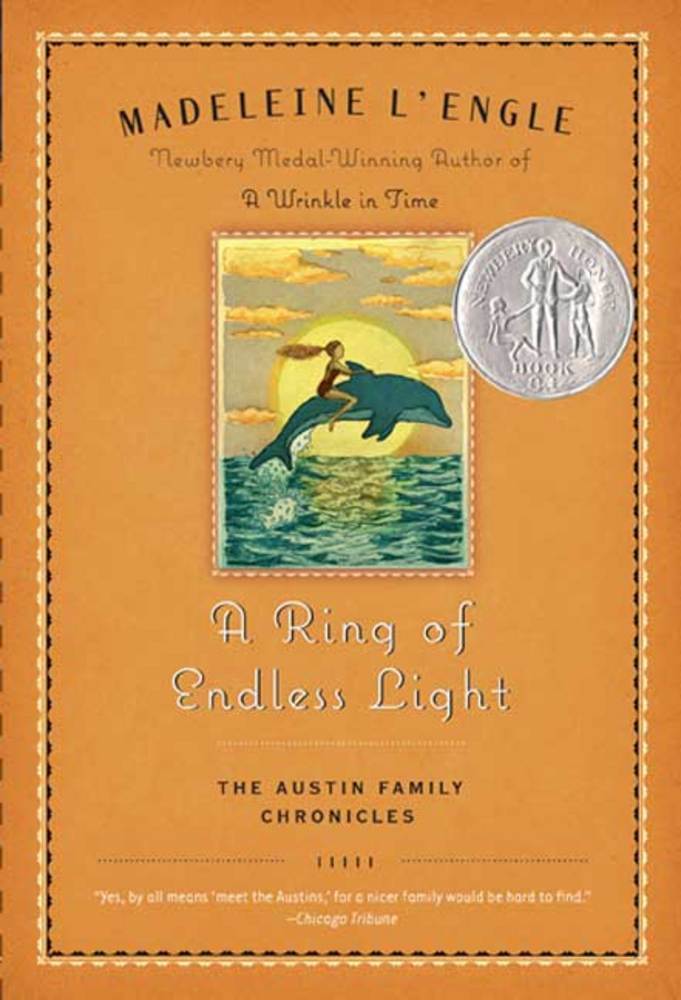
Vicky Austin is filled with strong feelings as she stands near Commander Rodney’s grave while her grandfather, who himself is dying of cancer, recites the funeral service. Watching his condition deteriorate as the summer passes on beautiful Seven Bay Island is almost more than Vicky can bear. To complicate things, she finds herself the center of attention for three very different boys: Leo is an old friend wanting comfort and longing for romance; Zachary, whose attempted suicide inadvertently caused the Commander’s death, is attractive and sophisticated but desperately troubled; and Adam, her older brother’s friend, offers her a wonderful chance to assist in his experiments with dolphins but treats her as a young girl just when she’s ready to feel most grown-up.
Called upon to be dependable, stable, and wise, Vicky is exhilarated but often overwhelmed. Forces of darkness and light, tragedy and joy, hover about her, and at times she doesn’t know which will prevail.
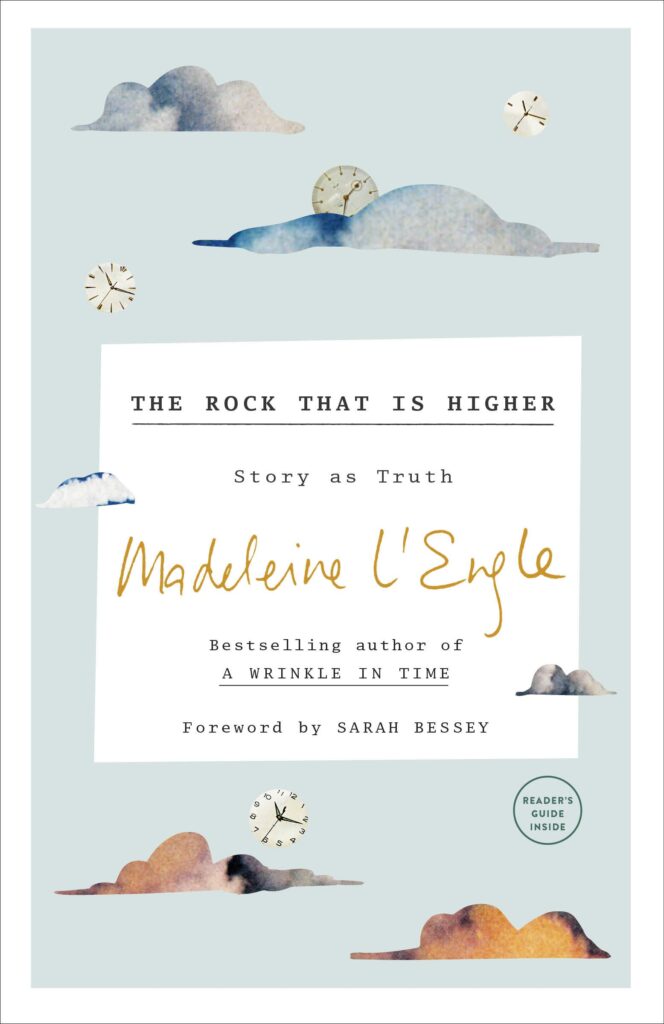
Lost in life’s struggles, we long for a true home—a solid rock in the midst of our daily wilderness. Story guides us in our journey to that rock, reminding us of who we are and where we come from.
Drawing from literature, her own experiences, and selected naratives from Scripture, Madeleine L’Engle gently and profoundly leads us into the world of story in The Rock That Is Higher. Here, L’Engle helps us see story as an affirmation of God’s love—a love that illuminates the truths of our own life stories and points us to our true home in Christ. As L’Engle writes, “We are homesick not so much for something that was, and was lost, as for something that will be, and is to be found.”
Katherine Forrester Vigneras, in a continuation of her story from The Small Rain, returns to new York City from Europe to retire. Now in her seventies, she encounters an old friend from her Greenwich Village days who, it turns out, is the former Bishop of New York. He asks Katherine to give a benefit concert at the Cathedral of St. John the Divine. This leads to new demands on her resources—human, artistic, psychological, and spiritual—that are entirely unexpected.
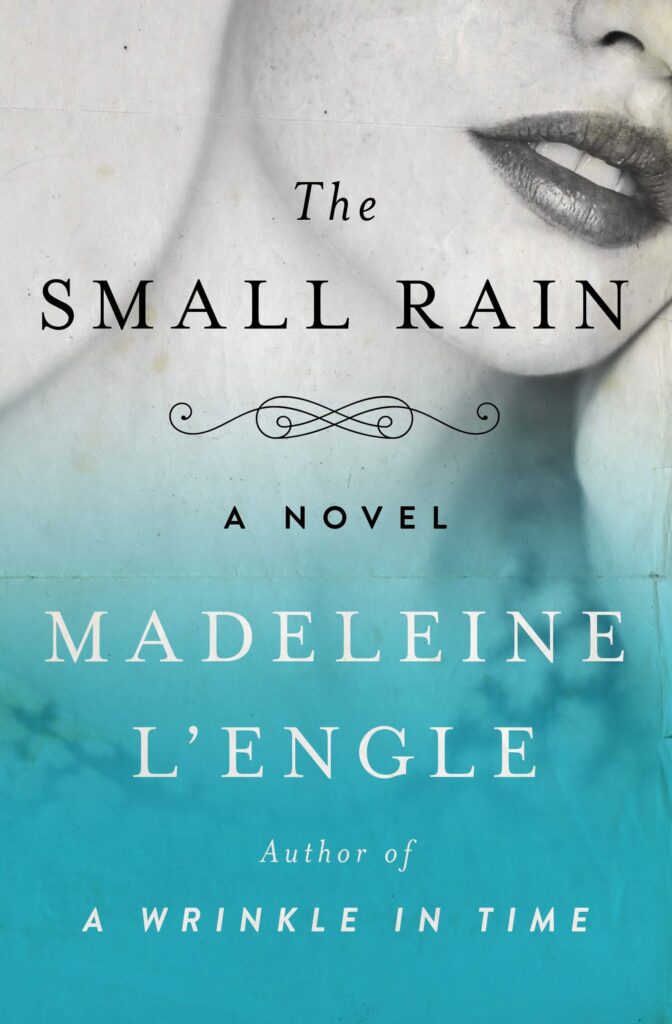
Ten-year-old Katherine Forrester has not seen her mother, Julie, for three years, since the automobile accident that tragically cut short her mother’s career as a pianist. The Small Rain begins with their reunion and life together before Julie dies. Katherine is then sent to boarding school in Switzerland by her composer father and his new wife, the renowned actress Madame Sergeivna, who cared for Kathrine after her mother’s accident. Katherine hates the pettiness and stifling routine of school, which is relieved only by her piano lessons with a gifted young teacher, Justin Vigneras.
At the end of her junior year, Katherine vacations in Thonon, France, and there falls in love with a young friend of the family, Charles Bejart. Their short romance brings them a recognition of their real feelings for one another—what is, in fact, the basis of a lifelong friendship. When she graduates, Katherine returns to New York, where she sets up an apartment and becomes the protege of a great master who once taught her mother. Relishing life on her own in Greenwich Village, Katherine is suddenly forced to choose between the man she is engaged to and her beloved music.
The story of Katherine Forrester’s development from a troubled child to a mature and talented woman is told with the scope and poignancy that have become Madeleine L’Engle’s hallmarks. Originally published in 1945, The Small Rain is Madeleine L’Engles first novel. A Severed Wasp continues the story of Katherine’s life as an older woman.
In this third volume of the Genesis Trilogy, Madeleine L’Engle takes us on a new journey. And It Was Good reflected on the marvel of new beginnings; A Stone for a Pillow tells the story of Jacob, one of the Bible’s earliest pilgrims, and follows his, and Madeleine’s, inner and outer journeys.
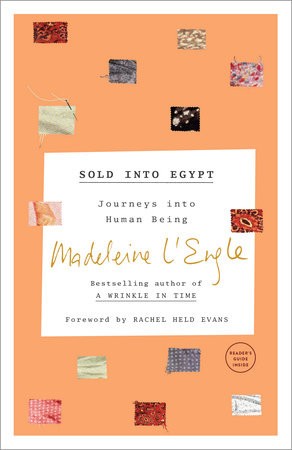
In Sold Into Egypt, we trace a new journey, that of Jacob’s favored younger son, Joseph—a journey on many levels: the abduction from Canaan country to pagan Egypt with its slavery and sophistication, from poverty to riches, from insignificance to the power of privilege and leadership, from the foolish arrpgance of youth to the seasoned wisdom of maturity, from parochial narrowness to the authentic human-ness which comes with hard lessons learned and relationships restored.
Madeleine L’Engle joins Joseph on this journey as she herself moves through grief. With the loss of her beloved husband, she traverses the barren desert of bereavement. And just as Yahweh was Joseph’s strong companion in the desert journey, in the house of Potiphar, in prison, and in his rise to power, so God was with the author of this book and, she assures us, he will be with us as we, too, move toward the human-ness of true maturity.
A loving daughter has promised her mother that she will never put her in a “nursing home” when the old lady is no longer able to live alone. But after her ninetieth birthday, when she arrives in Connecticut to spend the summer with her daughter’s family, it becomes quickly apparent that atherosclerosis it taking its toll: the onoce-gentle Southern woman will not be able to make the trip home. This is the dilemma Madeleine L’Engle describes in this non-fiction book about the problems, crises, fustrations, and guilt engendered by her mother’s rapid slide into senility.
When the summer begins, there are four generations gathered together, and the great-grandmother of the title—wiity, imperious, beautiful, self-assured—is now a ruin of her former self. She is no longer the mother Madeleine L’Engle once knew. A “bouquet of young girls” has been assembled to take turns tending the old lady, but if she is not able to return home in September when the girls go back to school and the family returns to New York, what are the alternatives to a nursing home? What of the promise given? How is the pain of watching the ravages of senility to be endured?
Although this book looks realistically and unsentimentally at death in general, and the death of one person in particular, it is, ultimately, a book about life. It is a somewhat unconventional memoir of a dearly-loved parent, but it is much more; it is a book concerned wth the aged and the dying, a book that asks deep and searching questions, that examines and condemns many of the attitudes and values in our society. there are books—perhaps good and neccessary books—that speak out for “euthanasia,” “death with dignity,” “compassion for the aged,” but such books are usually analytical, theoretical, or polemical. The Summer of the Great-Grandmother is about people—human beings, young, old, loving, grieving, declining, growing, dying—and will speak powefully to everyone who has, or has lost, an elderly parent.
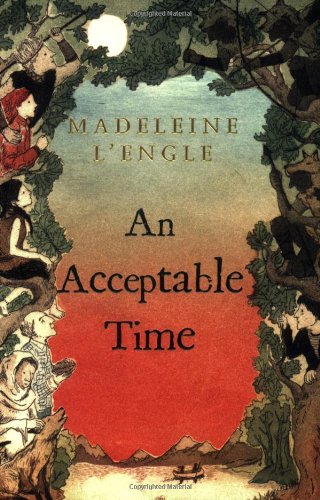
Meg Murry O’Keefe and her family are just sitting down to Thanksgiving dinner when her father gets a phone call from the White House about a madman’s threat of nuclear war. Only an old Irish rune seems to hold a clue to averting worldwide disaster, and when Meg’s brother Charles Wallace, now fifteen, recites it, a radiant white beast—the unicorn Gaudior—appears to join him on his quest. But there are only twenty-four hours in which to stop tragedy from occurring. Can Charles Wallace, with the help of Gaudior and Meg, possibly succeed?
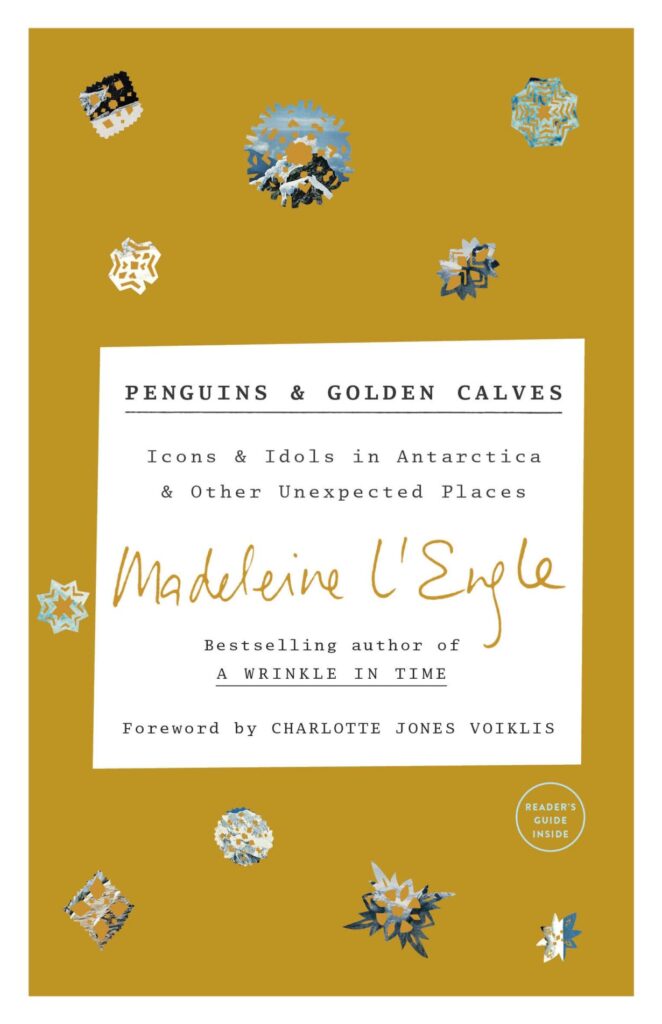
For her birthday, Vicky receives the gift of a trip to the Antarctic, where her friend Adam Eddington is working as a marine biologist. But as Vicky meets her fellow travelers, it quickly becomes clear that some of them are not what they seem. Vicki’s trip into adventure becomes a journey into icy danger.
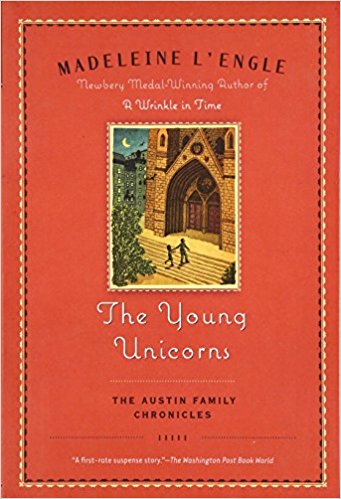
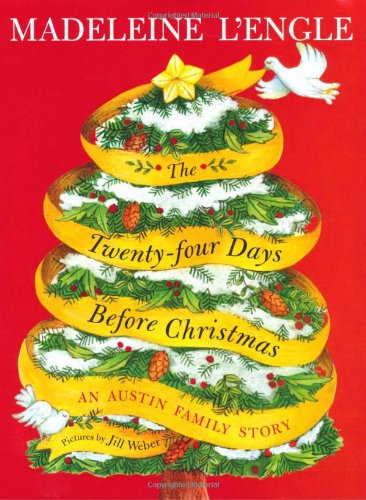
To seven-year-old Vicky Austin, the twenty-four days before Christmas are the most wonderful days of the year. She’s going to be an angel in the Christmas Pageant. Best of all, Vicky and her brother John and her little sister Suzy do something special every day to celebrate: they hang twinkling lights, make cookies, and wish very hard for snow.
But what if the new baby comes during Christmas and Mother has to go to the hospital? How can they have Christmas without Mother?
This moving memoir documents a marriage of more than forty years between two gifted people (Madeleine L’Engle and her actor husband Hugh Franklin), a long term marriage that was: “full of wonderful things, terrible things, joyous things, grievous things, but ours.”
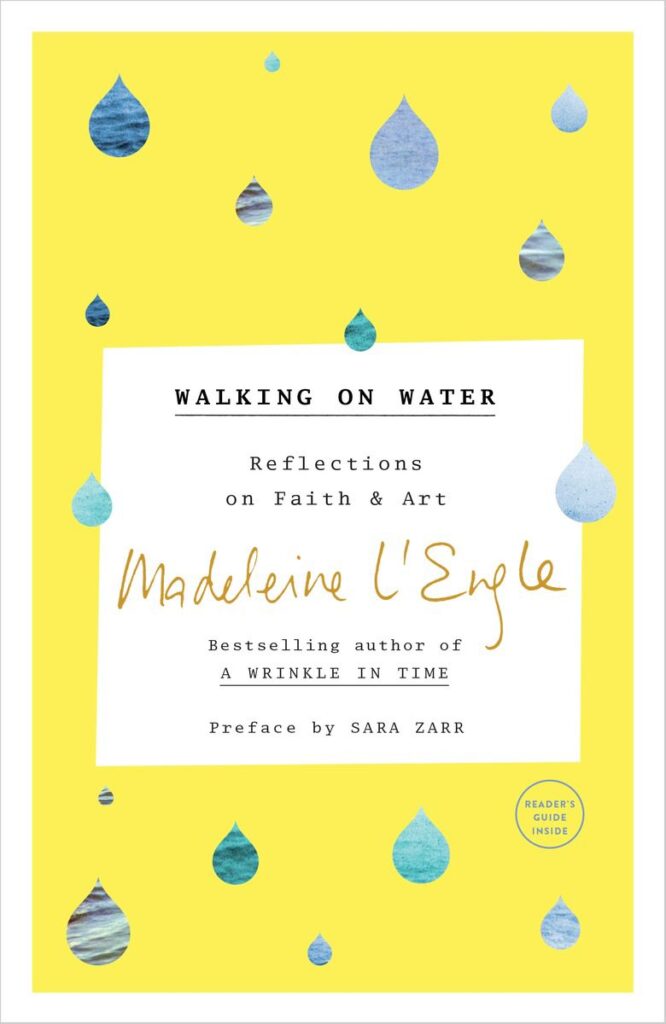
Since its publication, Walking on Water has called thousands of readers to the tastks of the artist: to listen, to remain aware, and to respond to creation by creating. With honest and insightful glimpses into her life as an artist and a Christian, Madeleine L’Engle eloquently explores the mysterious relationship between art and faith.
Madeleine L’Engle may find, in common with the rest of the human race, that she has trouble predicting the heart’s weather. Her gift is rather that of second sight, in-sight which can describe, in universal terms or small but vivid details, life’s stars and storms, its high-pressure systems and jet streams of love and anger, joy and despair, heat and cold. This is a true meteorology, observed and expressed with power and clarity by a poet who is in touch with God, man, and the universal weather.
Meg Murry can’t help but be worried when her six-year-old brother, Charles Wallace, announces there are dragons in the vegetable garden. He’s so bright, and so different from other kids, he’s getting bullied at school, and he is also strangely, seriously ill.
But Charles Wallace is right about the dragons—actually a friendly entity who has come to help Charles Wallace fight his sickness, and to take Meg and her friend Calvin O’Keefe on a terrifying, wonderful journey into galactic space—where they must battle the force of evil to save Charles Wallace, and themselves.
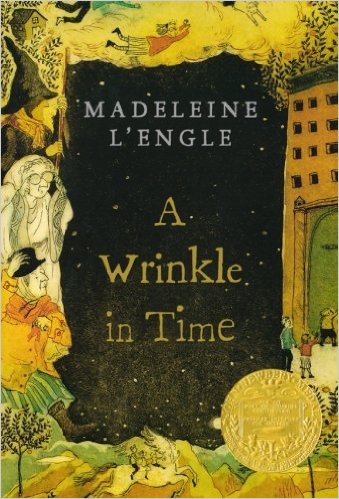
Meg Murry, her little brother Charles Wallace, and their mother are having a midnight snack on a dark and stormy night when an unearthly stranger appears at their door. She claims to have been blown off course, and goes on to tell them that there is such a thing as a “tesseract,” which, if you didn’t know, is a wrinkle in time.
Meg’s father had been experimenting with time-travel when he suddenly disappeared. Will Meg, Charles Wallace, and their friend Calvin outwit the forces of evil as they search through space for their father?
They had been standing around the lamp, looking at Emily holding it in her strong fingers, rubbing it. Certainly none of them, not even Rob, expected to hear a sepulchral voice behind them.
“You called me?”
They swung around…
Note: cover art may vary
© Crosswicks Ltd. All Rights Reserved.

Share this Site: